
Creating an online course is something many trainers, coaches, and experts are thinking about right now. Organizations are investing more in digital learning, and people want flexible ways to develop new skills. If you are looking to create an online course, the opportunity has never been bigger.
The challenge is that many people immediately think about platforms, video equipment, and complicated technology. In reality, the most successful online courses rarely start with tech. They start with a clear outcome and a well planned learning experience.
If you already run workshops, training programs, or coaching sessions, you probably already have most of the content you need. The real question is how to turn that expertise into structured online learning.
In this guide we will walk through the modern way to create an online course, from planning the learner journey to turning your expertise into engaging online courses people actually complete.
Why More Experts Are Creating Online Courses
More trainers, coaches, and subject matter experts are starting to create an online course as part of their business. What used to feel complicated or highly technical is now much more accessible. The growth of online learning has made it easier than ever for experts to share their knowledge with a wider audience.
For many people, the shift starts with a simple realization. You may be delivering the same workshop or training program repeatedly. The content works and the results are strong, but your time is still limited by how many sessions you can deliver.
Online courses allow you to package that knowledge into a digital learning experience that people can access anytime. This creates several advantages.
• Learners can move through the material at their own pace
• Organizations can train more people without scheduling multiple sessions
• Your expertise becomes a digital asset rather than something tied to your calendar
This does not mean online learning replaces live training. In many cases the best approach is to combine both. Online courses can deliver the core knowledge, while live workshops or coaching sessions focus on discussion, practice, and deeper learning.
That is why more experts are now exploring how to create an online course that expands their impact and reach.
Start With the Outcome Your Learner Wants
One of the most common mistakes people make when they create an online course is starting with the content they want to teach. The better place to start is with the outcome the learner wants to achieve.
Imagine someone completing your course. When they reach the end, what should they be able to do differently?
That single question helps shape the entire learning experience.
A helpful exercise is to picture yourself as the ideal participant taking your course. Imagine moving through each lesson and activity. Ask yourself what you would want if you were the learner.
For example:
• What problem are you trying to solve?
• What practical skills should you gain?
• What would make the course feel worthwhile?
• What would keep you engaged from start to finish?
When you design online courses this way, the focus shifts from delivering information to creating meaningful learning.
This is especially important in online learning. People often move through online courses on their own without a live instructor guiding them. Because of that, the structure needs to clearly guide learners from one step to the next.
When learners can see a clear path and a clear result, they are far more likely to complete the course and apply what they learned.
Plan the Structure Before You Touch Any Technology
One of the biggest reasons people struggle when they try to create an online course is because they start with technology instead of structure.
They begin researching platforms, video tools, recording equipment, and hosting solutions before they have even decided how the course will flow. This often leads to confusion and unnecessary complexity.
A better approach is to plan the course before touching any technology.
Think of your course as a journey your learner will take. Your role is to guide them from where they are now to the outcome they want to achieve.
Start by mapping that journey.
For example:
• What do they need to understand first?
• What should they learn next?
• What skills should they practice along the way?
• What should they be able to do by the end?
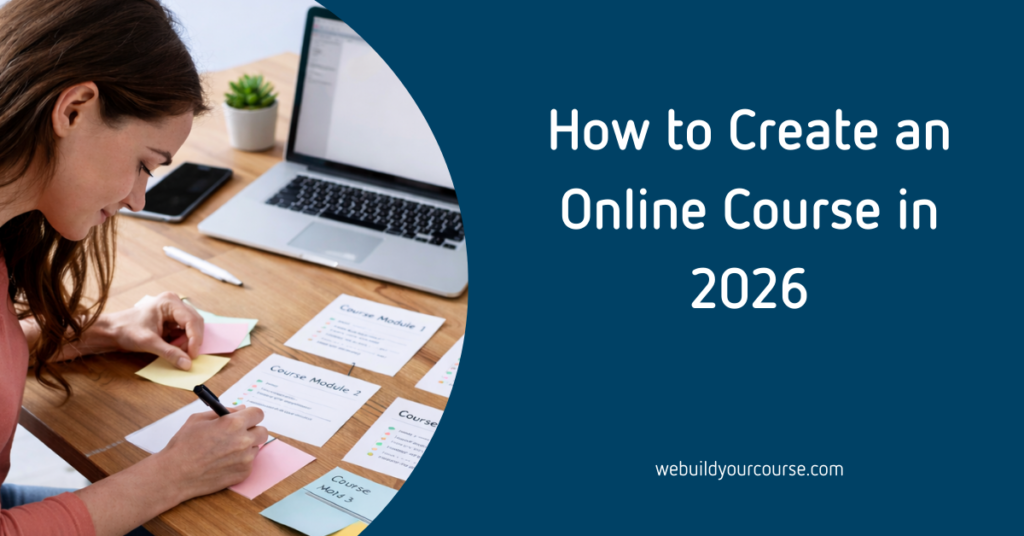
Once the journey is clear, you can break it into simple modules.
A typical structure might look like this:
• Module 1 – Foundations and overview
• Module 2 – Core concepts
• Module 3 – Practical application
• Module 4 – Real world implementation
When online courses are structured this way, the learning feels clear and logical. It becomes easier for learners to move through the course and easier for you to build.
Once the structure is defined, choosing the technology for your online learning becomes much simpler.
Keep Online Learning Simple and Engaging
When people decide to create an online course, they often feel pressure to make it look highly produced or complicated. In reality, the most effective online learning experiences are usually simple and focused on helping learners apply what they learn.
Most learners are not looking for long lectures or hours of video. They want clear explanations, practical insights, and steps they can actually use.
Strong online courses often combine a few simple elements.
For example:
• Short video lessons explaining key concepts
• Downloadable guides or resources
• Practical exercises or reflection prompts
• Real world examples that bring the ideas to life
Shorter lessons also help maintain attention. A series of focused lessons is usually far more effective than one long presentation.
Another helpful approach is to design each lesson with a clear goal.
Ask questions such as:
• What is the main idea in this lesson?
• What should the learner take away from it?
• What should they do next?
When online courses are designed this way, the learning feels structured and purposeful.
That is what turns information into meaningful online learning.
Avoid the Tech Overwhelm Trap
One of the biggest barriers for people who want to create an online course is the technology. There are so many platforms, tools, and systems available that it can quickly feel overwhelming.
Many people start researching and suddenly find themselves comparing learning platforms, video tools, payment systems, hosting providers, and dozens of other options.
Before long the whole process feels complicated.
The key thing to remember is that technology is simply the delivery method. It should support the learning experience, not drive it.
If your course structure is clear and your content is valuable, choosing the technology becomes much easier.
A helpful rule is this.
Focus on teaching first.
Choose technology second.
In most cases you only need a few essentials:
• A platform to host your course
• A way for learners to access the material
• A simple structure for modules and lessons
Once those basics are in place, everything else can improve over time. Many successful online courses began with simple videos and clear teaching rather than complex production.
When the focus stays on learning instead of technology, creating an online course becomes far more manageable.
Turning Your Existing Knowledge Into an Online Course
Many people believe they need to start from scratch when they want to create an online course. In reality, most trainers, coaches, and experts already have a large portion of the content they need.
If you deliver workshops, run training sessions, or coach clients, you are probably explaining the same ideas repeatedly. Those explanations, examples, and exercises can often become the foundation of your course.
Start by reviewing what you already use.
For example:
• workshop slides
• training activities
• common client questions
• guides, checklists, or frameworks you already share
These materials can usually be adapted into lessons, modules, and downloadable resources inside your online course.
This is why many professionals discover that building online courses is not about creating new content from nothing. It is about organizing the knowledge you already have into a clear learning experience.
Over time this creates something extremely valuable. Your expertise becomes a digital asset.
Instead of repeating the same information again and again, your knowledge becomes structured online learning that people can access whenever they need it.
For many trainers and coaches, this is one of the most powerful reasons to create an online course.
Summary
If you are thinking about how to create an online course, the process is often simpler than many people expect. The key is to focus on the learning experience first and the technology second.
Here are the main ideas to remember.
• Start with the outcome the learner wants to achieve
• Design the course from the learner’s perspective
• Plan the structure before choosing any technology
• Break the course into clear modules and short lessons
• Use simple formats such as videos, resources, and practical activities
• Avoid tech overwhelm by focusing on teaching first
• Look at your existing workshops, training programs, or coaching material for content
When approached this way, building online courses becomes a structured process rather than a technical challenge. Over time your expertise can grow into valuable online learning that helps more people and expands your reach.
